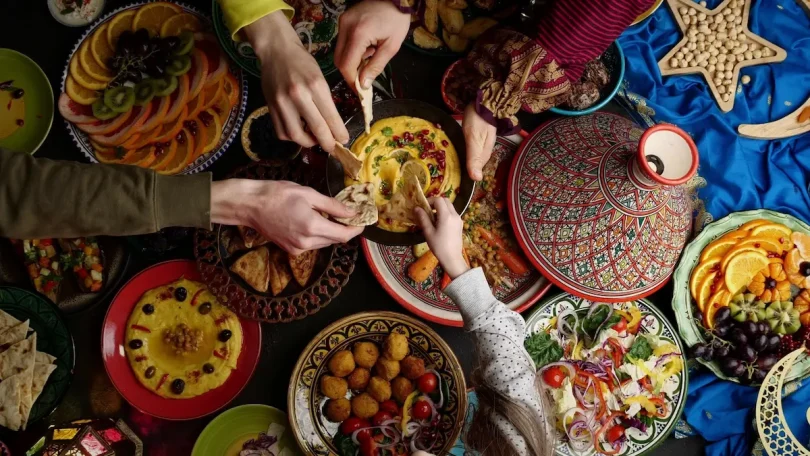

If you are searching for a Middle Eastern food guide, you are stepping into one of the most historic and flavorful food cultures in the world. Middle Eastern cuisine is not just a collection of recipes—it is a way of life shaped by geography, tradition, religion, trade routes, and generations of shared cooking knowledge.
This guide will give you a detailed understanding of the cuisine, from its roots and ingredients to its most iconic dishes and eating culture.
Introduction to Middle Eastern Cuisine
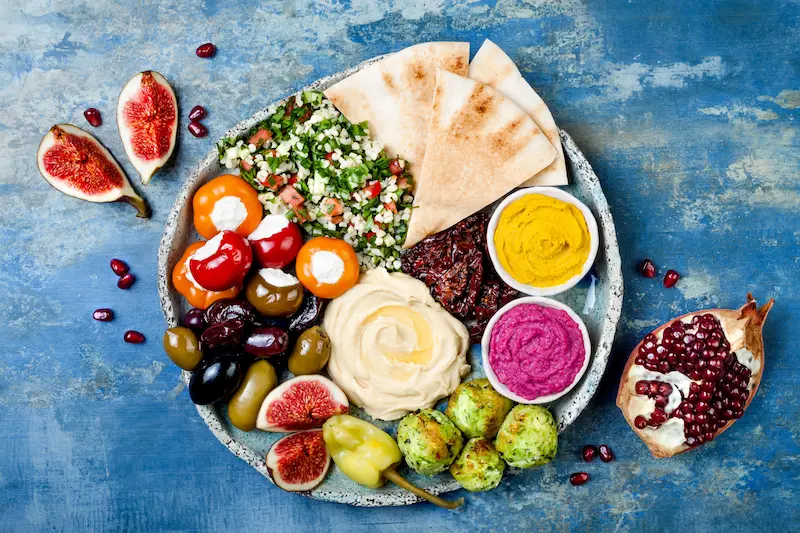
Middle Eastern cuisine represents a wide culinary region that connects the Arab world, parts of Central Asia, and the eastern Mediterranean. Countries such as Lebanon, Turkey, Iran, Egypt, Iraq, and Saudi Arabia all contribute unique variations of the same culinary foundation.
Despite regional differences, the cuisine shares a strong identity built on:
- Fresh, seasonal ingredients
- Bold but balanced seasoning
- Generous use of herbs
- Simple cooking techniques with deep flavor results
- A strong tradition of hospitality and sharing meals
Meals are rarely rushed. Food is meant to be enjoyed slowly, often in groups, where multiple dishes are shared at the same table.
Core Foundations of Middle Eastern Food
To truly understand this Middle Eastern food guide, you need to know the core building blocks of the cuisine.
Fresh vegetables and herbs
Fresh produce is essential in almost every dish. Herbs are not just garnish—they are a main ingredient.
Common herbs and vegetables include:
- Parsley (used heavily in salads and dips)
- Mint (adds freshness to both savory and drinks)
- Cilantro (strong aroma, used in sauces and stews)
- Tomatoes, cucumbers, onions, and eggplants
These ingredients create freshness and balance in heavier dishes.
Bread and grains as staples
Bread is considered a basic necessity, not just a side dish.
Common types include:
- Pita bread
- Lavash
- Flatbreads baked in traditional ovens
Grains like rice and bulgur are equally important. Rice dishes are often flavored with spices, butter, nuts, and sometimes dried fruits such as raisins or apricots.
Bread is commonly used instead of utensils, especially for scooping dips like hummus and baba ghanoush.
Protein sources: meat and legumes
Middle Eastern cuisine offers a balance of meat-based and plant-based proteins.
Meat options:
- Lamb (very traditional and widely used)
- Chicken (grilled, roasted, or stewed)
- Beef (especially in kebabs and minced dishes)
Plant-based proteins:
- Chickpeas
- Lentils
- Fava beans
Legumes are especially important in vegetarian diets and street food culture.
Signature spices and flavor profile
Spices are the soul of Middle Eastern cooking, but they are typically warm and aromatic rather than extremely hot.
Key spices include:
- Cumin (earthy base flavor)
- Coriander (citrusy and warm)
- Cinnamon (used in both sweet and savory dishes)
- Paprika (smoky or sweet varieties)
- Cardamom (especially in drinks and desserts)
- Sumac (tangy lemon-like flavor)
Instead of heavy heat, the cuisine focuses on layered, aromatic flavor.
Most Important Middle Eastern Dishes
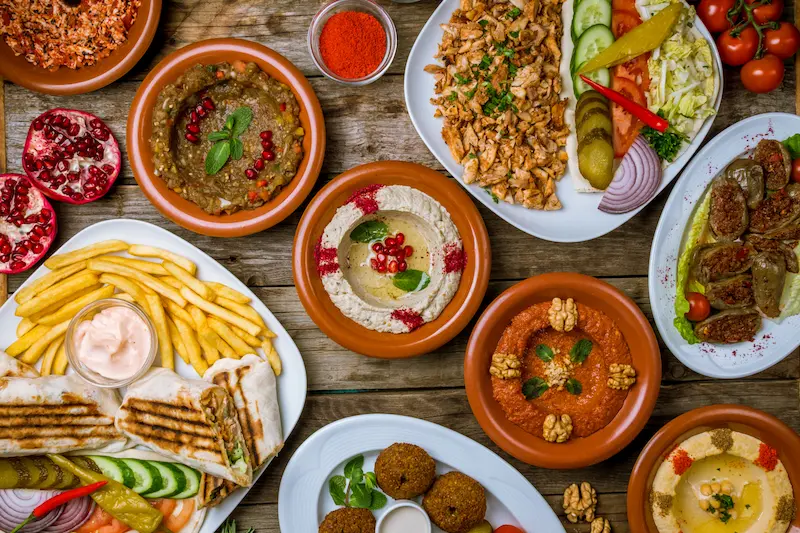
A proper Middle Eastern food guide must highlight the most iconic dishes that define the cuisine.
Hummus: The global favorite
Hummus is one of the most recognized Middle Eastern dishes worldwide.
Ingredients:
- Chickpeas
- Tahini (sesame paste)
- Olive oil
- Lemon juice
- Garlic
Why it stands out:
- Creamy and smooth texture
- Rich in protein and fiber
- Works as dip, spread, or side dish
- Commonly eaten with bread or vegetables
Falafel: The perfect street food
Falafel is deeply rooted in Middle Eastern street food culture.
What it is:
Deep-fried balls made from ground chickpeas or fava beans mixed with herbs and spices.
Characteristics:
- Crispy outer layer
- Soft and fluffy interior
- Herb-forward flavor
Falafel is usually served in pita bread with salad, pickles, and sauces.
Shawarma: The iconic wrap
Shawarma is one of the most popular street foods across the world.
Preparation:
Thin slices of marinated meat are stacked on a vertical spit and slowly roasted.
Serving style:
- Wrapped in flatbread or pita
- Topped with garlic sauce, tahini, vegetables, and pickles
Flavor:
- Smoky
- Juicy
- Richly spiced
Kebabs: Grilled perfection
Kebabs are a central part of Middle Eastern cooking traditions.
Types:
- Shish kebab (meat cubes on skewers)
- Kofta kebab (minced meat shaped and grilled)
Cooking method:
Grilled over open flames or charcoal for a smoky flavor.
Kebabs are often served with rice, salad, or bread.
Tabbouleh: Fresh herb salad
Tabbouleh is a refreshing salad that highlights herbs more than grains.
Main ingredients:
- Finely chopped parsley
- Tomatoes
- Bulgur wheat
- Lemon juice
- Olive oil
Taste profile:
- Fresh
- Tangy
- Light and herbal
Middle Eastern rice dishes
Rice is a major part of many meals.
Common variations include:
- Spiced rice with saffron
- Rice with nuts and raisins
- Meat-based rice dishes similar to biryani styles
Rice dishes are often served with grilled meats or stews.
You may also like to read this:
Popular Italian Dishes Explained | Pasta, Pizza & More
Complete Traditional Japanese Food Guide For Beginners Now
Best Mexican Food Recipes You Must Try | Step-By-Step Guide
Famous Indian Cuisine Dishes You Must Try in India
Traditional Chinese Food Recipes Guide For Beginners
Cooking Techniques in Middle Eastern Cuisine
Cooking methods are simple but highly effective:
Grilling
Used for meats, vegetables, and kebabs. It adds smoky depth.
Slow cooking
Used for stews and braised dishes, allowing flavors to develop deeply over time.
Baking
Used for bread, pastries, and desserts in traditional ovens.
Fresh preparation
Used for salads and dips, ensuring maximum freshness and nutrition.
Traditional Middle Eastern Desserts
Desserts in the Middle East are rich, sweet, and often syrup-based.
Baklava
Layers of thin pastry filled with nuts and soaked in honey or syrup.
Knafeh
A cheese-based dessert topped with shredded pastry and sweet syrup.
Maamoul
Shortbread cookies filled with dates, pistachios, or walnuts.
These desserts are commonly served during celebrations and special gatherings.
Food Culture and Hospitality
Food in Middle Eastern culture is deeply connected to generosity and respect.
Key traditions include:
- Guests are always offered tea or coffee first
- Large meals are prepared even for small gatherings
- Sharing food is a sign of honor and respect
- Meals often last for hours due to conversation and hospitality
Eating together is seen as an important social and cultural activity.
Final Thoughts
This detailed Middle Eastern food guide shows that the cuisine is far more than just recipes. It is a rich cultural experience built on tradition, hospitality, and flavor balance. From hummus and falafel to shawarma, kebabs, and baklava, every dish tells a story of history and community.
If you enjoy food that is flavorful, fresh, and meaningful, Middle Eastern cuisine is one of the best culinary worlds you can explore.
FAQs
What defines Middle Eastern cuisine?
It is defined by fresh ingredients, aromatic spices, shared meals, and simple but flavorful cooking methods.
Is Middle Eastern food healthy?
Yes, many dishes use vegetables, legumes, olive oil, and grilled meats, making it naturally balanced.
Is Middle Eastern food spicy?
Not usually. It is more aromatic and flavorful than hot and spicy.
What is the most famous dish?
Shawarma, hummus, and falafel are among the most globally recognized dishes.
Can vegetarians enjoy Middle Eastern food?
Yes, many dishes like falafel, hummus, lentil soups, and salads are vegetarian-friendly.