
If you’re looking to truly understand Japanese cuisine, this Traditional Japanese food guide will help you explore it in a simple, clear, and detailed way. Japanese food is not just about eating meals—it’s about balance, respect for ingredients, seasonality, and presentation. When you start learning about it, you’ll notice that every dish has a purpose and every ingredient is chosen carefully.
Traditional Japanese cuisine, also known as “washoku,” is built on harmony. It balances taste, nutrition, and appearance in a way that feels both simple and deeply thoughtful. Instead of relying on heavy spices or complex sauces, it focuses on natural flavors and fresh ingredients.
The Philosophy Behind Traditional Japanese Food
At the heart of Japanese cuisine is a strong cultural philosophy. Food is prepared with respect for nature and gratitude for the ingredients. Meals are designed to be balanced, not only in taste but also in nutrition.
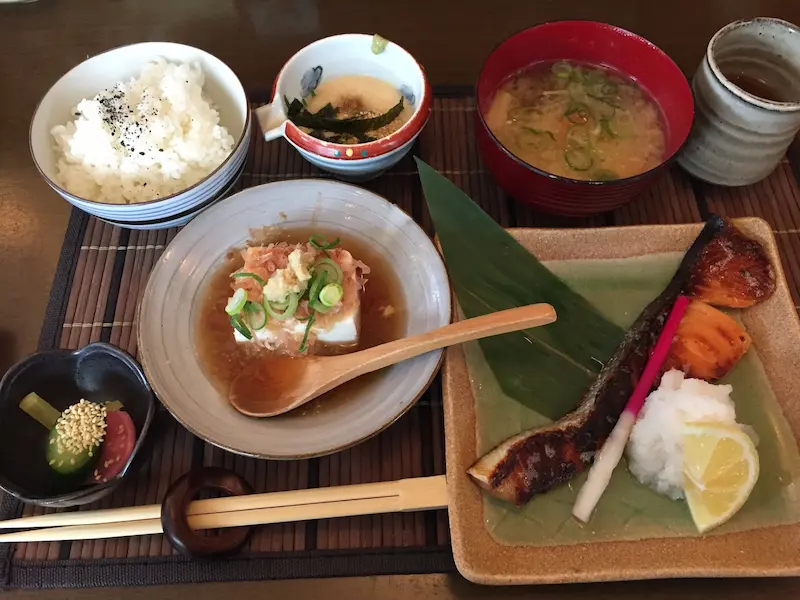
A traditional Japanese meal usually includes rice, soup, a protein dish, and several side dishes. Each element plays a role in creating a complete and satisfying meal. This structure is called “ichiju-sansai,” which means “one soup, three dishes.”
Seasonality is also very important. Ingredients are chosen based on the time of year, so meals naturally change with the seasons. This helps keep the food fresh, flavorful, and connected to nature.
Core Ingredients in Traditional Japanese Cooking
To understand Japanese food, it is important to learn about the basic ingredients that form the foundation of most dishes.
Rice
Rice is the most important staple in Japanese cuisine. It is served with almost every meal and acts as the main source of energy. Japanese rice is short-grain, soft, and slightly sticky, making it easy to eat with chopsticks.
Fish and Seafood
Because Japan is an island nation, seafood plays a major role in traditional diets. Fish can be eaten raw, grilled, steamed, or simmered. Tuna, salmon, mackerel, and shrimp are commonly used.
Soy-Based Products
Soy products are essential in Japanese cooking. Soy sauce adds saltiness and umami flavor, while miso paste is used in soups and marinades. Tofu is a versatile ingredient that absorbs flavors well and is used in both savory and light dishes.
Seaweed
Seaweed such as nori, wakame, and kombu is widely used in Japanese cuisine. It adds minerals, depth of flavor, and a unique umami taste to soups, rice dishes, and snacks.
Vegetables
Vegetables are usually prepared in simple ways to preserve their natural taste. Common vegetables include daikon radish, eggplant, spinach, carrots, and mushrooms.
Popular Traditional Japanese Dishes
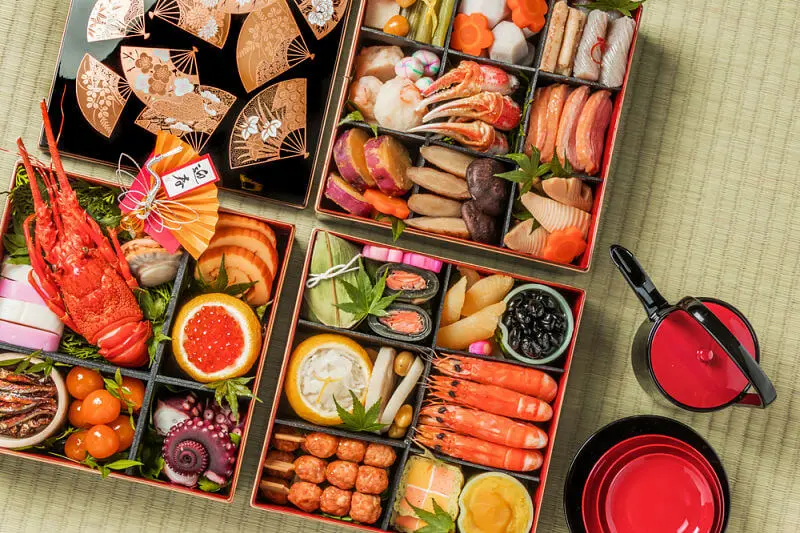
Traditional Japanese cuisine includes a wide variety of dishes, each with its own history and preparation style.
Sushi
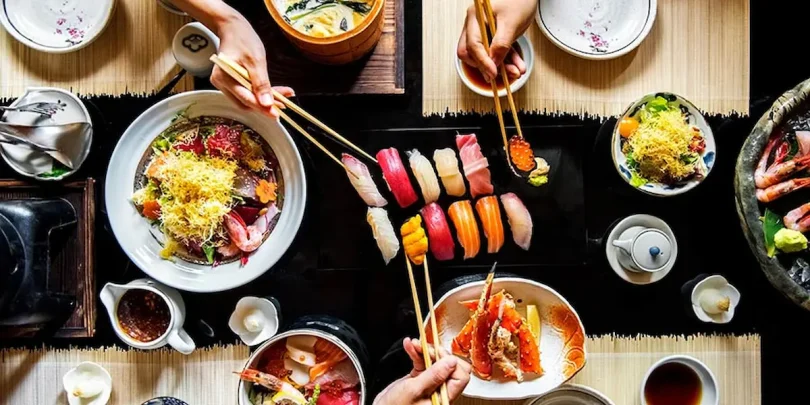
Sushi is one of the most well-known Japanese foods worldwide. It is made with vinegared rice combined with seafood, vegetables, or egg. Sushi comes in many forms such as nigiri, maki rolls, and sashimi (which is sliced raw fish without rice).
Ramen
Ramen is a noodle dish served in a flavorful broth. Although it has Chinese origins, it has become deeply rooted in Japanese food culture. Broths can be soy-based, miso-based, salt-based, or pork bone-based.
Miso Soup
Miso soup is a traditional soup made from fermented soybean paste, dashi broth, tofu, and seaweed. It is commonly served as part of a daily meal and is considered comforting and nourishing.
Tempura
Tempura consists of seafood or vegetables that are lightly coated in batter and deep-fried until crispy. Despite being fried, it is known for its light texture.
Onigiri
Onigiri are rice balls shaped by hand and often filled with ingredients like salted salmon, pickled plum, or tuna mayonnaise. They are wrapped in seaweed and are popular as a quick meal or snack.
Bento Boxes
Bento is a carefully arranged boxed meal that includes rice, protein, vegetables, and pickles. Bento boxes are designed to be balanced, visually appealing, and convenient.
Yakitori
Yakitori refers to grilled chicken skewers seasoned with salt or a sweet soy glaze. It is often enjoyed at casual dining spots and festivals.
Japanese Eating Habits and Etiquette
Traditional Japanese food culture includes important dining manners that show respect for the food and the people sharing the meal.
Before eating, people say “Itadakimasu,” which expresses gratitude for the meal. After finishing, they say “Gochisousama deshita” to thank for the food.
Chopsticks are used carefully. For example, sticking chopsticks upright into rice is avoided because it is associated with funeral rituals. Passing food directly from chopstick to chopstick is also discouraged.
It is common to enjoy noodles by slurping, which is not considered rude. Instead, it is seen as a way to enjoy the flavor and show appreciation.
Meals are usually eaten in a calm and respectful manner, reflecting the cultural value placed on food.
Health Benefits of Traditional Japanese Food
Traditional Japanese cuisine is often considered one of the healthiest diets in the world. There are several reasons for this.
Portion sizes are generally small and balanced. Meals include a variety of food groups, ensuring proper nutrition. There is a strong focus on fresh ingredients and minimal processing.
Fermented foods like miso and soy sauce support digestion and gut health. Fish provides healthy fats, especially omega-3 fatty acids, which are beneficial for heart health.
Vegetables are widely used, and cooking methods often involve steaming, grilling, or light frying instead of heavy oil-based cooking. This helps maintain lower calorie intake and balanced nutrition.
You may also like to read this:
Complete Herbs and Spices Guide | How To Use in Cooking
Complete Food Storage Tips and Guide For Everyday Use
Kitchen Essentials For Beginners | Easy Setup Guide
Complete Guide To Healthy Ingredients For Better Nutrition
Popular Italian Dishes Explained | Pasta, Pizza & More
Regional Food Differences in Japan
Japan has diverse regions, and each one has its own food traditions.
Tokyo is known for modern interpretations of traditional dishes and a wide variety of restaurants. Osaka is famous for street food like takoyaki and okonomiyaki. Kyoto offers refined, traditional cuisine often focused on seasonal vegetables and elegant presentation. Hokkaido is known for fresh seafood and dairy products due to its colder climate.
These regional differences show how deeply food is connected to local culture and environment.
Conclusion
This Traditional Japanese food guide shows that Japanese cuisine is more than just a collection of dishes—it is a reflection of culture, respect, and balance. From simple rice and miso soup to beautifully prepared sushi and bento boxes, every meal is designed with care.
If you are exploring Japanese food for the first time, start with simple dishes and pay attention to their natural flavors. Over time, you will begin to appreciate the depth and philosophy behind every bite. Traditional Japanese food is not just something you eat—it is something you experience and understand.
FAQs – Traditional Japanese Food Guide
1. What is traditional Japanese food called?
Traditional Japanese food is called “washoku.” It focuses on balance, seasonality, natural flavors, and simple cooking methods.
2. What is the most important staple in Japanese cuisine?
Rice is the most important staple in Japanese cuisine. It is served with almost every meal and acts as the foundation of the Japanese diet.
3. Is sushi considered traditional Japanese food?
Yes, sushi is one of the most well-known traditional Japanese foods. However, it has evolved over time and includes many modern variations as well.
4. Why is Japanese food considered healthy?
Japanese food is considered healthy because it uses fresh ingredients, includes balanced portions, relies on fish and vegetables, and avoids heavy oils and processed foods.
5. What is a typical traditional Japanese meal?
A typical meal includes rice, miso soup, a protein dish (like fish or chicken), and a few side dishes such as vegetables or pickles. This is known as “ichiju-sansai.”