
Have you ever wondered why some dishes taste amazing while others feel bland? The secret often comes down to understanding a good Herbs and Spices Guide. Herbs and spices are the heart of cooking, adding flavor, aroma, color, and even health benefits to your meals. Whether you’re a beginner in the kitchen or someone looking to improve your cooking skills, learning about herbs and spices can completely transform the way you prepare food.
In this detailed Herbs and Spices Guide, you’ll learn the difference between herbs and spices, the most popular varieties, their uses, storage tips, and how to combine them for delicious results.
What Are Herbs?
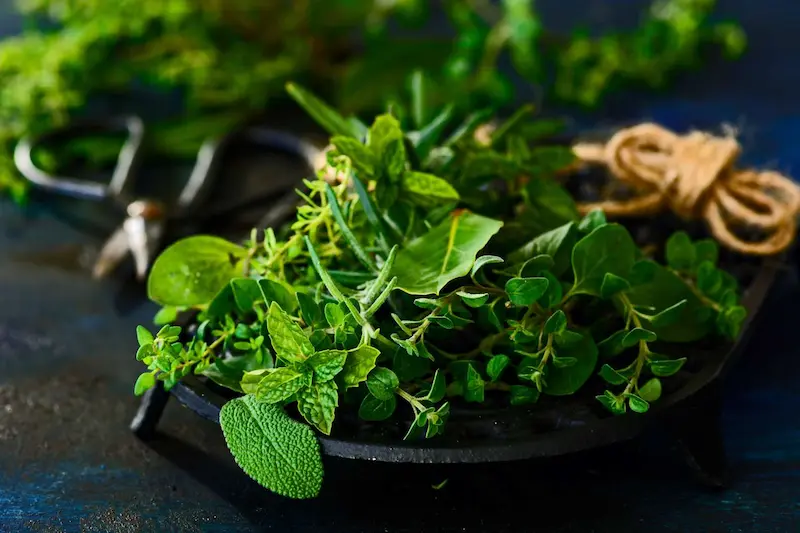
Herbs are the leafy green parts of plants used for flavoring food. They can be used fresh or dried and often provide a mild, fresh taste.
Common Herbs
Basil
Basil has a sweet and slightly peppery flavor. It is commonly used in:
- Pasta dishes
- Pizza
- Salads
- Tomato-based sauces
Parsley
Parsley adds freshness and color to dishes. It works well in:
- Soups
- Salads
- Seafood dishes
- Garnishes
Cilantro
Cilantro has a bright and citrusy flavor often found in:
- Mexican cuisine
- Indian dishes
- Salsas
- Chutneys
Rosemary
Rosemary has a strong woody aroma and pairs well with:
- Roasted potatoes
- Lamb
- Chicken
- Bread
Thyme
Thyme offers earthy flavors and is often used in:
- Soups
- Stews
- Meat dishes
- Vegetables
Mint
Mint provides a refreshing taste and is popular in:
- Drinks
- Desserts
- Salads
- Yogurt sauces
What Are Spices?
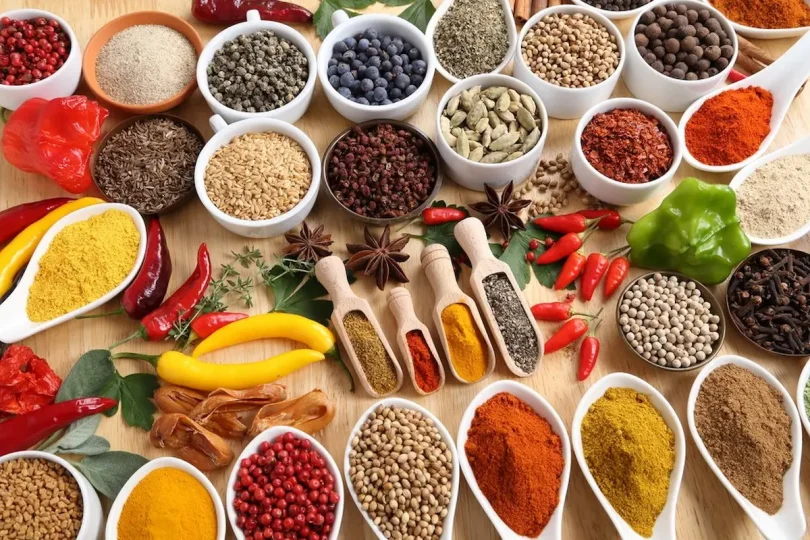
Spices come from other parts of plants, such as seeds, roots, bark, fruits, or flowers. They are generally stronger and more concentrated than herbs.
Common Spices
Black Pepper
One of the world’s most popular spices, black pepper adds heat and depth to:
- Meat dishes
- Soups
- Salads
- Sauces
Cinnamon
Cinnamon has a warm, sweet flavor and is used in:
- Baked goods
- Oatmeal
- Coffee
- Desserts
Turmeric
Turmeric is known for its bright yellow color and earthy taste. It is common in:
- Curries
- Rice dishes
- Soups
- Smoothies
Cumin
Cumin has a nutty and warm flavor used in:
- Mexican cuisine
- Indian curries
- Chili recipes
- Spice blends
Paprika
Paprika ranges from sweet to smoky and works well in:
- Roasted vegetables
- Meat rubs
- Soups
- Stews
Ginger
Ginger provides a spicy, slightly sweet flavor and is popular in:
- Asian dishes
- Teas
- Desserts
- Marinades
Difference Between Herbs and Spices
| Herbs | Spices |
| Usually come from leaves | Come from seeds, roots, bark, fruits, or flowers |
| Mild flavor | Strong flavor |
| Often used fresh | Usually used dried |
| Examples: Basil, Mint, Parsley | Examples: Cinnamon, Cumin, Turmeric |
Understanding this distinction is an important part of any Herbs and Spices Guide.
Why Herbs and Spices Are Important
Enhance Flavor
They make food more delicious without adding extra calories.
Add Aroma
The scent of herbs and spices can make meals more appealing.
Improve Appearance
Bright colors from spices like turmeric and paprika make dishes visually attractive.
Offer Health Benefits
Many herbs and spices contain antioxidants, vitamins, and anti-inflammatory compounds.
Essential Herbs and Spices Every Kitchen Should Have
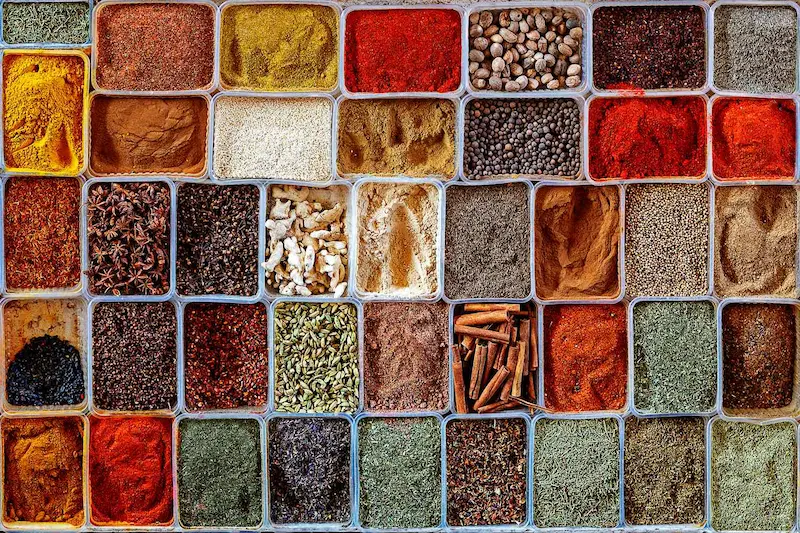
If you’re building your spice collection, start with these basics:
Herbs
- Basil
- Oregano
- Thyme
- Rosemary
- Parsley
Spices
- Black Pepper
- Cinnamon
- Paprika
- Cumin
- Turmeric
- Garlic Powder
These staples can be used in hundreds of recipes.
Best Herb and Spice Combinations
Italian Blend
- Basil
- Oregano
- Thyme
- Rosemary
Perfect for pasta and pizza.
Mexican Blend
- Cumin
- Chili Powder
- Paprika
- Oregano
Great for tacos and burritos.
Indian Blend
- Turmeric
- Cumin
- Coriander
- Ginger
Excellent for curries and rice dishes.
Mediterranean Blend
- Parsley
- Oregano
- Thyme
- Garlic
Ideal for grilled vegetables and meats.
Fresh vs Dried Herbs
Fresh Herbs
Pros:
- Bright flavor
- Strong aroma
- Attractive appearance
Cons:
- Short shelf life
- Require refrigeration
Dried Herbs
Pros:
- Long-lasting
- Convenient
- Easy to store
Cons:
- Less vibrant flavor
A general rule is to use one teaspoon of dried herbs for every tablespoon of fresh herbs.
How to Store Herbs and Spices
Proper storage helps maintain flavor and freshness.
Storage Tips
- Keep them in airtight containers.
- Store away from heat and sunlight.
- Avoid keeping them near the stove.
- Label containers with purchase dates.
Shelf Life
- Ground spices: 1–2 years
- Whole spices: 3–4 years
- Dried herbs: 1–3 years
You may also like to read this:
Healthy Breakfast Ideas For Weight Loss and Energy Boost
Clean Eating Food List: Best Foods For A Healthy Lifestyle
Healthy Snacks For Busy People: Quick & Nutritious Ideas
Different Types of Pasta Explained and How To Use Them
Cooking Oils Guide For Beginners: Best Oils For Every Meal
Common Mistakes to Avoid
Using Too Much
Start with small amounts and adjust gradually.
Using Old Spices
Old spices lose their flavor and aroma.
Adding Herbs at the Wrong Time
- Dried herbs: Add early during cooking.
- Fresh herbs: Add near the end for maximum flavor.
Not Tasting as You Cook
Taste your food regularly to balance flavors properly.
Health Benefits of Popular Herbs and Spices
Turmeric
May help reduce inflammation.
Ginger
Can support digestion and help with nausea.
Cinnamon
May help support healthy blood sugar levels.
Garlic
Contains compounds that support heart health.
Rosemary
Rich in antioxidants.
Mint
Can aid digestion and provide a refreshing taste.
How Beginners Can Start Using Herbs and Spices
If you’re new to cooking, don’t try everything at once.
Start by:
- Choosing three herbs and three spices.
- Experimenting with simple recipes.
- Keeping notes on flavor combinations you enjoy.
- Gradually expanding your collection.
Cooking becomes much more enjoyable when you learn how different herbs and spices work together.
Conclusion
This Herbs and Spices Guide shows that these simple ingredients can completely change the flavor, aroma, and quality of your meals. Herbs bring freshness, while spices add depth and complexity. By learning the basics, storing them properly, and experimenting with combinations, you can create restaurant-quality dishes right at home.
Whether you’re preparing soups, salads, meats, or desserts, understanding herbs and spices is one of the most valuable cooking skills you can develop.
FAQs
What is the difference between herbs and spices?
Herbs come from the leafy parts of plants, while spices come from seeds, roots, bark, fruits, or flowers.
Which herbs are best for beginners?
Basil, parsley, oregano, thyme, and rosemary are great starter herbs.
Which spices should every kitchen have?
Black pepper, paprika, cinnamon, cumin, turmeric, and garlic powder are excellent essentials.
How long do herbs and spices last?
Dried herbs usually last 1–3 years, while whole spices can last up to 4 years when stored properly.
Can herbs and spices improve health?
Many herbs and spices contain antioxidants and beneficial compounds that may support overall wellness.