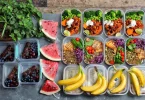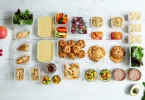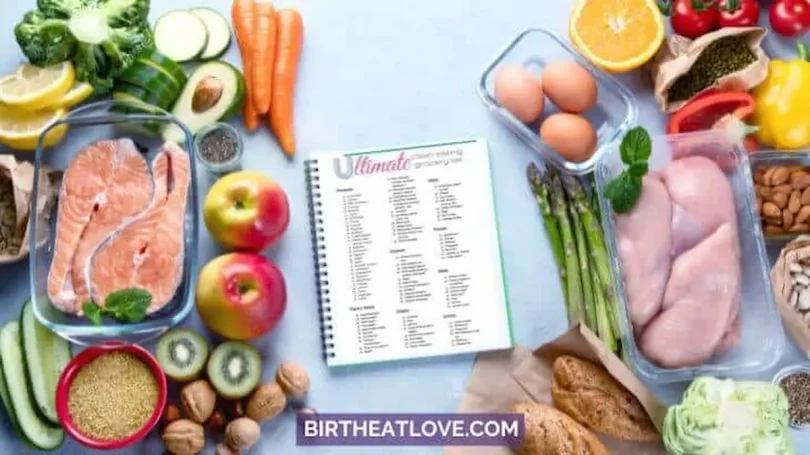

If you’re trying to improve your health, lose weight, or just feel more energetic in your daily life, starting with a clean eating food list is one of the smartest choices you can make. A clean eating food list simply means choosing whole, natural foods that are minimally processed and full of nutrients your body can actually use.
Instead of following strict diets or complicated rules, clean eating is about keeping things simple, natural, and balanced. Let’s go step by step so you can easily understand what to eat and how to build your meals.
What is Clean Eating Really About?
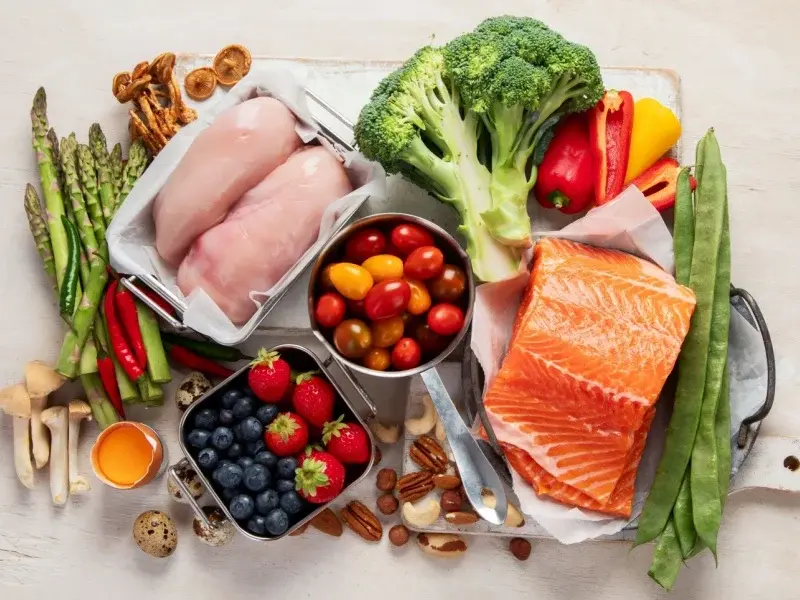
Clean eating is not a trendy diet or a quick fix. It’s a long-term lifestyle approach.
When people say “clean eating,” they usually mean:
- Eating foods in their natural or close-to-natural form
- Avoiding heavily processed and packaged foods
- Choosing fresh ingredients over artificial ones
- Eating balanced meals with protein, carbs, and healthy fats
Think of it like this: if your great-grandparents wouldn’t recognize it as food, it probably doesn’t belong in a clean eating lifestyle.
Complete Clean Eating Food List
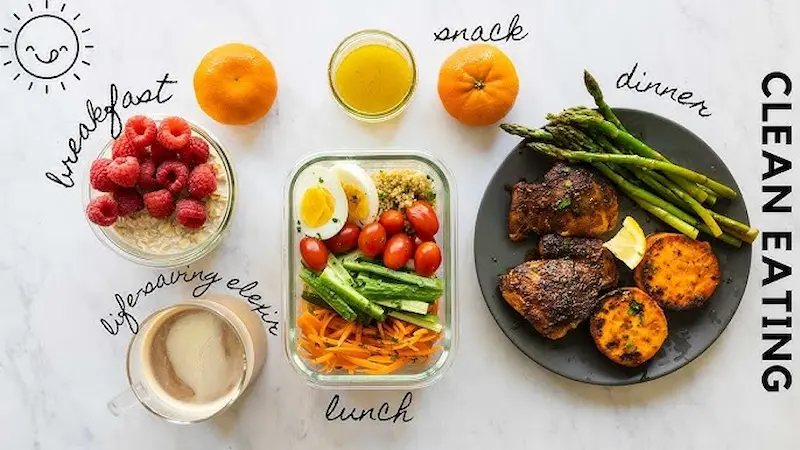
Now let’s get into the real clean eating food list you can actually use for shopping and meal planning.
1. Fruits (Natural Sweet Energy)
Fruits are one of the easiest and most enjoyable parts of clean eating. They satisfy your sweet cravings while giving you fiber, vitamins, and antioxidants.
Best clean eating fruits:
- Apples (great for snacking and digestion)
- Bananas (quick energy and potassium boost)
- Blueberries (high in antioxidants)
- Strawberries (low-calorie and vitamin-rich)
- Oranges (great for immunity and hydration)
- Mangoes (natural sweetness and fiber)
- Pineapple (supports digestion)
- Grapes (easy grab-and-go snack)
- Pomegranate (rich in antioxidants)
How to eat them:
- Add to breakfast bowls or oatmeal
- Blend into smoothies
- Eat as mid-day snacks
- Mix into salads for a fresh twist
2. Vegetables (The Core of Clean Eating)
If clean eating had a foundation, vegetables would be it. They are low in calories but packed with nutrients, fiber, and minerals.
Best clean eating vegetables:
- Spinach (iron and energy support)
- Kale (high in vitamins A, C, and K)
- Broccoli (supports digestion and immunity)
- Carrots (good for eyesight and skin)
- Tomatoes (rich in antioxidants)
- Cucumbers (hydrating and refreshing)
- Bell peppers (vitamin C boost)
- Cauliflower (low-carb alternative)
- Zucchini (light and versatile)
- Sweet potatoes (healthy complex carbs)
Easy ways to eat them:
- Raw salads with olive oil
- Lightly steamed or stir-fried
- Roasted in the oven with spices
- Added to soups and curries
3. Whole Grains (Long-Lasting Energy)
Unlike refined grains, whole grains keep the fiber and nutrients intact, which helps you stay full and energized for longer.
Best clean eating whole grains:
- Brown rice
- Quinoa (complete protein source)
- Oats (great for breakfast)
- Whole wheat bread
- Whole wheat pasta
- Barley
- Millet
Why they matter:
Whole grains help:
- Control blood sugar levels
- Improve digestion
- Keep you full for longer periods
4. Lean Proteins (Body Strength and Repair)
Protein is essential for building muscles, repairing tissues, and keeping your metabolism strong.
Best clean eating protein sources:
- Chicken breast (low-fat and high protein)
- Turkey
- Eggs (complete protein source)
- Fish like salmon and tuna (rich in omega-3)
- Lentils (plant-based protein)
- Chickpeas
- Black beans
- Tofu and tempeh
Simple ways to include protein:
- Grilled chicken with vegetables
- Lentil soups or stews
- Egg-based breakfasts
- Fish with brown rice and salad
5. Healthy Fats (Good for Brain and Hormones)
Healthy fats are important — they are not the enemy. Your body actually needs them for energy and hormone balance.
Best clean eating fats:
- Avocados
- Olive oil (extra virgin preferred)
- Almonds
- Walnuts
- Cashews
- Chia seeds
- Flaxseeds
- Pumpkin seeds
- Natural peanut butter (no added sugar)
Important tip:
Even healthy fats are calorie-dense, so enjoy them in moderation.
6. Dairy and Alternatives (Optional but Useful)
Dairy can be part of clean eating if you choose simple, less processed options.
Options include:
- Greek yogurt (high protein, low sugar if plain)
- Milk (preferably unsweetened or low-fat)
- Cheese (in moderation)
- Almond milk (dairy-free option)
- Oat milk
- Coconut milk (light versions)
Tip:
Always check labels and avoid added sugars or artificial flavors.
7. Herbs, Spices, and Natural Flavor Boosters
Clean eating doesn’t mean boring food. Herbs and spices make your meals flavorful without unhealthy additives.
Great options:
- Garlic (boosts immunity)
- Ginger (helps digestion)
- Turmeric (anti-inflammatory)
- Cinnamon (supports blood sugar control)
- Black pepper
- Basil, parsley, cilantro, mint
These small additions can completely transform your meals.
Foods You Should Limit or Avoid
To keep your clean eating lifestyle effective, try reducing:
- Fast food and fried items
- Sugary drinks like soda and packaged juices
- White bread and refined flour products
- Processed snacks (chips, cookies, candies)
- Artificial sweeteners
- Packaged ready-to-eat meals
You don’t have to be perfect — just reduce them gradually.
You may also like to read this:
One Pot Meal Recipes For Easy, Quick & Delicious Cooking
Healthy Eating Tips For Beginners: Easy Daily Diet Advice
Healthy Meal Plan For Weight Loss: Easy Daily Diet Plan
Best High Protein Healthy Meals For Muscle Gain and Fat Loss
Healthy Breakfast Ideas For Weight Loss and Energy Boost
Simple Clean Eating Tips You Can Follow Daily
If you’re just starting, don’t overthink it. Focus on small habits:
- Cook at home more often
- Add vegetables to every meal
- Drink more water (aim for 6–8 glasses daily)
- Read ingredient labels before buying
- Choose whole foods over packaged ones
- Plan your meals ahead of time
- Keep healthy snacks ready
Small steps lead to big changes over time.
Sample Clean Eating Meal Plan (Full Day Example)
Here’s what a simple day might look like:
Breakfast: Oatmeal topped with banana, chia seeds, and almonds
Mid-morning snack: Apple with peanut butter
Lunch: Grilled chicken, brown rice, and steamed broccoli
Evening snack: Greek yogurt with berries
Dinner: Baked salmon with quinoa and mixed vegetables
This kind of meal plan keeps your energy stable and prevents cravings.
Final Thoughts
A clean eating food list is not about strict dieting or removing joy from food. It’s about choosing real, nourishing ingredients that help your body feel its best.
You don’t need to change everything overnight. Start small — maybe add more vegetables, drink more water, or swap white rice for brown rice. Over time, these simple changes build a healthier lifestyle that actually lasts.
If you stay consistent, clean eating becomes less of a “diet” and more of a natural way of living — and your body will thank you for it.
FAQs – Clean Eating Food List
1. What is a clean eating food list?
A clean eating food list is a simple guide that includes whole, natural foods like fruits, vegetables, whole grains, lean proteins, and healthy fats. It helps you avoid heavily processed and artificial foods.
2. Is clean eating the same as dieting?
No, clean eating is not a strict diet. It’s more of a lifestyle approach where you focus on eating natural, minimally processed foods instead of counting calories or restricting food groups.
3. Can I eat rice and bread in clean eating?
Yes, but choose whole grain options like brown rice, quinoa, or whole wheat bread instead of refined white rice and white bread.
4. Do I have to avoid all processed foods?
Not completely. The goal is to limit heavily processed foods like fast food, sugary snacks, and packaged items. Occasional treats are fine if your overall diet is healthy.
5. Is clean eating good for weight loss?
Yes, clean eating can support weight loss because it focuses on nutrient-rich foods that keep you full longer and reduce cravings for unhealthy snacks.