
If you’re searching for a Complete guide to healthy ingredients, this is your friendly, easy-to-follow breakdown that helps you understand what to eat, why it matters, and how to actually use these ingredients in your daily meals without confusion.
Healthy eating often sounds complicated, but in reality, it’s just about knowing your ingredients and building simple habits around them. Once you get this right, your kitchen becomes a place of energy, balance, and confidence instead of stress.
Understanding Healthy Ingredients (The Real Meaning)

Healthy ingredients are foods that are as close to their natural form as possible. They are not heavily processed, not full of artificial additives, and not stripped of their nutrients.
When you eat these foods, your body gets:
- Natural vitamins and minerals
- Fiber for digestion
- Protein for strength and repair
- Healthy fats for brain and heart health
- Steady energy without crashes
So instead of focusing on “diet food,” think of it as choosing real food over packaged food most of the time.
1. Vegetables – Your Daily Health Foundation
If there is one food group you should never ignore, it’s vegetables. They are low in calories but extremely high in nutrients.
Why vegetables matter:
They support digestion, improve immunity, help skin glow, and reduce inflammation in the body.
Best healthy vegetable choices:
- Spinach (Spinach)
- Broccoli
- Carrots
- Cucumber
- Bell peppers
- Cauliflower
- Tomatoes
Simple way to eat more vegetables:
- Add spinach or cucumber to breakfast
- Include salad with lunch or dinner
- Stir-fry mixed vegetables with spices
- Blend them into soups or smoothies
A helpful habit: try to fill half your plate with vegetables every day.
2. Fruits – Natural Sweetness With Benefits
Fruits are nature’s healthy desserts. They give you energy, hydration, and antioxidants without processed sugar.
Why fruits are important:
They support heart health, improve digestion, and keep your skin healthy.
Best healthy fruits:
- Apples
- Bananas
- Oranges
- Mangoes (in season)
- Berries
Fruits also help reduce sugar cravings, especially when you’re trying to cut down on junk food.
Easy habit:
Keep fruit visible in your kitchen so you naturally reach for it instead of snacks.
3. Healthy Fats – Essential for Brain and Hormones
Many people avoid fats completely, but that’s a mistake. Your body actually needs healthy fats to function properly.
Benefits of healthy fats:
- Support brain function and memory
- Help absorb vitamins (A, D, E, K)
- Improve skin and hair health
- Balance hormones
Best sources:
- Olive oil (Olive oil)
- Avocado (Avocado)
- Nuts like almonds and walnuts
- Seeds like chia, flax, and sunflower seeds
Important tip:
Even healthy fats are calorie-dense, so use them in moderation—especially oils and nuts.
4. Lean Proteins – Building and Repairing Your Body
Protein is like your body’s building material. It helps repair tissues, build muscles, and keep you full for longer.
Why protein is important:
Without enough protein, you may feel tired, weak, or hungry often.
Healthy protein sources:
- Chicken breast
- Eggs
- Fish like Salmon (Salmon)
- Lentils and beans
- Chickpeas
Simple idea:
Try to include protein in every meal—even breakfast.
Example: eggs in the morning, lentils at lunch, chicken or beans at dinner.
5. Whole Grains – Long-Lasting Energy Source
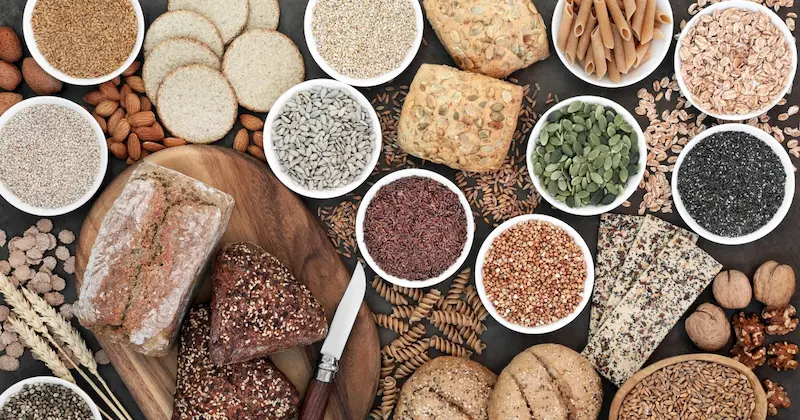
Whole grains are much healthier than refined grains because they still contain fiber and nutrients.
Why whole grains matter:
They keep you full longer, support digestion, and prevent blood sugar spikes.
Best options:
- Brown rice
- Oats
- Quinoa (Quinoa)
- Whole wheat bread
- Barley
Easy switch:
Replace white rice with brown rice or mix both gradually if the taste feels different at first.
6. Herbs and Spices – Small Ingredients With Big Power
Herbs and spices may look small, but they are extremely powerful for both flavor and health.
Why they matter:
They can reduce inflammation, improve digestion, and boost immunity naturally.
Powerful healthy options:
- Garlic (Garlic)
- Turmeric (Turmeric)
- Ginger
- Cinnamon
- Black pepper
Simple use:
Add spices while cooking instead of relying on heavy sauces or processed flavoring.
You may also like to read this:
Different Types of Pasta Explained and How To Use Them
Cooking Oils Guide For Beginners: Best Oils For Every Meal
Complete Herbs and Spices Guide | How To Use in Cooking
Complete Food Storage Tips and Guide For Everyday Use
Kitchen Essentials For Beginners | Easy Setup Guide
7. Healthy Drinks – Often Forgotten but Very Important
People focus on food but forget drinks play a huge role in health.
Best choices:
- Water (most important)
- Herbal teas
- Fresh fruit juices (without added sugar)
- Coconut water
What to limit:
- Sugary sodas
- Packaged juices
- Excessive caffeine
A simple rule: if your drink contains lots of sugar, it’s more like dessert than hydration.
8. How to Combine Healthy Ingredients in Real Life
Knowing ingredients is one thing—using them daily is the real goal.
Example of a simple healthy day:
Breakfast:
Oats + banana + nuts + honey
Lunch:
Brown rice + lentils + mixed vegetables + salad
Snack:
Apple or handful of almonds
Dinner:
Grilled chicken or beans + sautéed vegetables + olive oil drizzle
This kind of structure keeps your energy stable all day.
9. Common Mistakes People Make
Even with good intentions, many people make mistakes like:
- Eating “healthy” packaged snacks too often
- Skipping meals and overeating later
- Using too much oil or salt
- Not eating enough protein or vegetables
- Thinking healthy food has to be bland
Healthy eating should feel satisfying, not restrictive.
Final Thoughts
This Complete guide to healthy ingredients is really about building awareness, not perfection. You don’t need to change everything at once. Start small—add more vegetables, choose whole grains, drink more water, and slowly upgrade your ingredients.
Over time, these small choices become habits, and those habits completely change your health, energy, and lifestyle.
Healthy eating is not about restriction—it’s about giving your body what it actually needs to feel good every day.
FAQs – Complete Guide to Healthy Ingredients
1. What are healthy ingredients in simple words?
Healthy ingredients are natural or minimally processed foods that give your body nutrients like vitamins, minerals, protein, fiber, and healthy fats without harmful additives.
2. Why are healthy ingredients important?
They help improve your energy, digestion, immunity, skin health, and overall well-being. Eating the right ingredients regularly can also reduce the risk of many lifestyle diseases.
3. What are the best healthy ingredients to eat daily?
Some of the best daily healthy ingredients include vegetables, fruits, whole grains, lean proteins, nuts, seeds, and healthy oils like olive oil.
4. Can healthy ingredients help with weight loss?
Yes, healthy ingredients like vegetables, fruits, lean proteins, and whole grains keep you full for longer, reduce cravings, and support natural weight management.
5. Are all fats unhealthy?
No, not all fats are bad. Healthy fats from foods like avocados, nuts, seeds, and olive oil are essential for brain health, hormones, and energy.