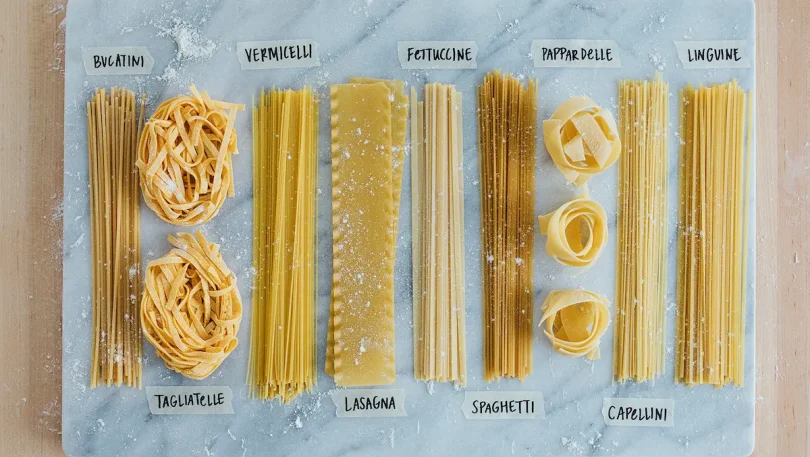

Pasta is one of the most loved foods around the world. Whether you’re making a quick weeknight dinner or preparing a special Italian-inspired meal, understanding Different Types of Pasta Explained can help you choose the perfect pasta shape for every recipe. Many people think pasta is just spaghetti or macaroni, but there are actually hundreds of pasta varieties, each designed to work best with specific sauces, ingredients, and cooking methods.
If you’ve ever wondered why some recipes call for penne while others use fettuccine or rigatoni, this guide will help you understand the differences. By the end of this article, you’ll know which pasta shapes are best for creamy sauces, chunky meat sauces, soups, salads, and baked dishes.
What Is Pasta?
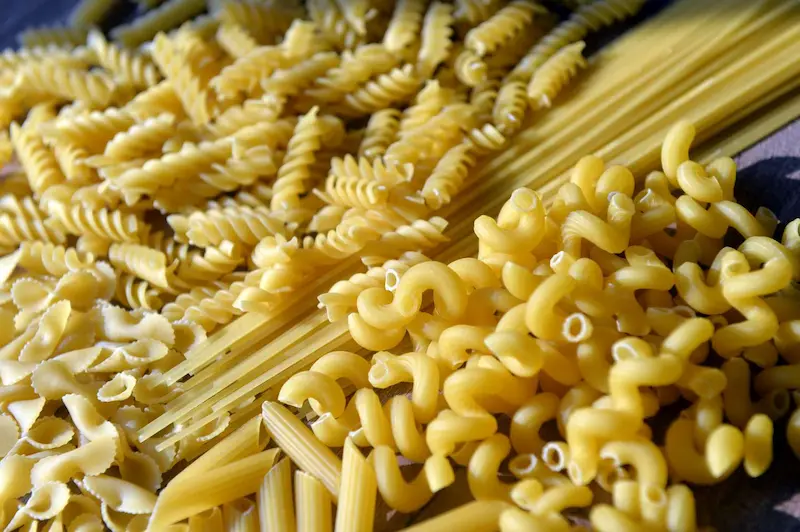
Pasta is a traditional Italian food made primarily from wheat flour and water. Some fresh pasta recipes also include eggs, giving the dough a richer flavor and softer texture.
Pasta is available in countless shapes and sizes, and each one serves a specific purpose. The shape affects how well the sauce sticks to the pasta, how it feels when eaten, and even how long it takes to cook.
Today, pasta is enjoyed in nearly every country and has become a staple ingredient in kitchens worldwide.
Why Do Different Pasta Shapes Exist?
Many people ask why there are so many pasta shapes. The answer is simple: different shapes are designed to pair with different sauces and ingredients.
For example:
- Thin pasta works well with light sauces.
- Thick pasta handles heavy sauces better.
- Tube-shaped pasta captures sauce inside.
- Small pasta is perfect for soups.
- Wide pasta works best with rich and creamy dishes.
Choosing the right pasta shape can completely change the texture and flavor of your meal.
Long Pasta Types
Long pasta is among the most popular and recognizable pasta categories.
Spaghetti
Spaghetti is perhaps the most famous pasta shape in the world. It consists of long, thin, round strands.
Best Uses
- Spaghetti Bolognese
- Garlic and olive oil pasta
- Tomato-based sauces
- Seafood pasta dishes
Spaghetti works best with smooth sauces that can evenly coat the strands.
Linguine
Linguine resembles spaghetti but has a flatter shape.
Best Uses
- Pesto sauce
- Seafood dishes
- Light cream sauces
- Lemon butter pasta
Its slightly flattened shape allows it to hold more sauce than spaghetti.
Fettuccine
Fettuccine consists of thick, flat ribbons that provide a rich and satisfying texture.
Best Uses
- Alfredo sauce
- Creamy mushroom sauces
- Chicken pasta dishes
The wide ribbons are excellent for carrying creamy sauces.
Angel Hair (Capellini)
Angel Hair is one of the thinnest pasta varieties available.
Best Uses
- Olive oil-based sauces
- Fresh tomatoes
- Light seafood dishes
Because it is so delicate, Angel Hair cooks in just a few minutes.
Tube-Shaped Pasta Types
Tube-shaped pasta is designed to hold sauce both inside and outside the pasta.
Penne
Penne is one of the most versatile pasta shapes. It features angled ends and often includes ridges.
Best Uses
- Arrabbiata sauce
- Vodka sauce
- Pasta salads
- Vegetable pasta dishes
The ridges help trap sauce, making every bite flavorful.
Rigatoni
Rigatoni is larger than penne and features deep grooves.
Best Uses
- Meat sauces
- Baked pasta casseroles
- Sausage-based dishes
Its large size makes it ideal for hearty meals.
Ziti
Ziti is a smooth tube-shaped pasta often used in baked recipes.
Best Uses
- Baked ziti
- Cheese casseroles
- Tomato-based dishes
It absorbs flavors beautifully while baking.
Cannelloni
Cannelloni consists of large tubes intended for stuffing.
Common Fillings
- Ricotta cheese
- Spinach
- Ground meat
- Vegetables
After stuffing, it is usually baked with sauce and cheese.
Ribbon Pasta Types
Ribbon pasta features long, flat strips that pair exceptionally well with rich sauces.
Tagliatelle
Tagliatelle is a traditional Italian ribbon pasta.
Best Uses
- Meat ragù
- Mushroom sauces
- Cream-based dishes
Its wide shape helps capture thick sauces.
Pappardelle
Pappardelle is one of the widest pasta ribbons.
Best Uses
- Beef ragù
- Lamb sauces
- Slow-cooked meat dishes
The large ribbons create a hearty eating experience.
Twisted and Spiral Pasta Types
These pasta shapes are excellent for holding sauces in their twists and curves.
Fusilli
Fusilli features corkscrew-shaped spirals.
Best Uses
- Pesto
- Thick vegetable sauces
- Pasta salads
The spiral design captures sauce effectively.
Rotini
Rotini is similar to fusilli but contains tighter twists.
Best Uses
- Chunky sauces
- Cold pasta salads
- Cheese sauces
It holds ingredients exceptionally well.
Decorative Pasta Shapes
Some pasta varieties are designed to be visually appealing while also serving practical purposes.
Farfalle
Farfalle is commonly known as bow-tie pasta.
Best Uses
- Pasta salads
- Light cream sauces
- Vegetable dishes
Its unique shape adds texture and visual interest.
Radiatori
Radiatori resembles small radiators.
Best Uses
- Thick sauces
- Meat dishes
- Cheese sauces
Its grooves capture large amounts of sauce.
Small Pasta Shapes
Small pasta varieties are commonly used in soups and side dishes.
Macaroni
Macaroni consists of short curved tubes.
Best Uses
- Mac and cheese
- Pasta salads
- Comfort food recipes
It is one of the most popular pasta shapes worldwide.
Ditalini
Ditalini means “little thimbles” in Italian.
Best Uses
- Vegetable soups
- Bean soups
- Pasta salads
Its small size makes it easy to eat with a spoon.
Orzo
Orzo resembles grains of rice but is actually pasta.
Best Uses
- Mediterranean salads
- Soups
- Side dishes
It cooks quickly and adds a unique texture.
Stuffed Pasta Types
Stuffed pasta combines pasta and filling into one delicious package.
Ravioli
Ravioli consists of square or round pasta pockets.
Popular Fillings
- Cheese
- Spinach
- Mushrooms
- Meat
Ravioli can be served with tomato sauce, cream sauce, or simply butter.
Tortellini
Tortellini has a ring-shaped appearance.
Popular Fillings
- Cheese
- Ham
- Spinach
- Meat
It is commonly served in broth or creamy sauces.
Agnolotti
Agnolotti is a traditional stuffed pasta from northern Italy.
Common Fillings
- Beef
- Pork
- Vegetables
- Cheese
Its rich fillings make it a favorite for special occasions.
Pasta for Soups
Certain pasta shapes are specifically designed for soups.
Stelline
Stelline means “little stars.”
Perfect for:
- Chicken soup
- Light broths
- Children’s meals
Acini di Pepe
Tiny round pasta balls.
Perfect for:
- Italian wedding soup
- Broth-based soups
- Salads
Pastina
Pastina refers to very small pasta pieces.
Perfect for:
- Comfort food
- Children’s meals
- Simple broths
You may also like to read this:
Healthy Meal Plan For Weight Loss: Easy Daily Diet Plan
Best High Protein Healthy Meals For Muscle Gain and Fat Loss
Healthy Breakfast Ideas For Weight Loss and Energy Boost
Clean Eating Food List: Best Foods For A Healthy Lifestyle
Healthy Snacks For Busy People: Quick & Nutritious Ideas
Pasta for Baking
Baked pasta dishes are hearty, comforting, and family-friendly.
Lasagna
Lasagna sheets are wide and flat.
Used for layering:
- Meat sauce
- Cheese
- Vegetables
- White sauce
Lasagna is one of Italy’s most famous baked dishes.
Manicotti
Large pasta tubes that are filled before baking.
Popular Fillings:
- Ricotta cheese
- Spinach
- Ground beef
The tubes are covered with sauce and baked until golden.
Fresh Pasta vs. Dried Pasta
Fresh Pasta
Fresh pasta is made using eggs and has a soft texture.
Benefits
- Rich flavor
- Tender texture
- Quick cooking
Dried Pasta
Dried pasta is the most common type found in stores.
Benefits
- Long shelf life
- Affordable
- Easy to store
Both options can produce excellent meals depending on the recipe.
How to Choose the Right Pasta Shape
Choosing the correct pasta shape can improve your dish significantly.
For Creamy Sauces
Choose:
- Fettuccine
- Linguine
- Tagliatelle
For Thick Meat Sauces
Choose:
- Rigatoni
- Pappardelle
- Penne
For Soups
Choose:
- Orzo
- Ditalini
- Stelline
For Pasta Salads
Choose:
- Rotini
- Farfalle
- Penne
For Baked Dishes
Choose:
- Ziti
- Lasagna
- Manicotti
Tips for Cooking Perfect Pasta
To achieve restaurant-quality results:
- Use a large pot of water.
- Salt the water generously.
- Stir during cooking.
- Follow package directions.
- Reserve some pasta water for the sauce.
- Avoid overcooking.
- Serve immediately after combining with sauce.
The ideal pasta texture is known as “al dente,” which means firm to the bite.
Common Pasta Cooking Mistakes
Avoid these common errors:
- Using too little water
- Forgetting to salt the water
- Overcooking the pasta
- Rinsing pasta unnecessarily
- Choosing the wrong pasta shape for the sauce
Small improvements can make a big difference in the final dish.
FAQs: Different Types of Pasta Explained
What is the most popular type of pasta?
Spaghetti is generally considered the most popular pasta shape worldwide.
Which pasta is best for Alfredo sauce?
Fettuccine is traditionally used with Alfredo sauce because its wide ribbons hold creamy sauces well.
What pasta is best for soup?
Orzo, Ditalini, Stelline, and Acini di Pepe are excellent choices for soups.
Is fresh pasta better than dried pasta?
Neither is necessarily better. Fresh pasta works best for delicate dishes, while dried pasta is ideal for everyday cooking.
How many types of pasta exist?
There are more than 350 recognized pasta shapes, with many regional variations throughout Italy.
Conclusion
Understanding Different Types of Pasta Explained helps you become a more confident home cook. Every pasta shape has a unique purpose, whether it’s capturing creamy Alfredo sauce, holding chunky meat sauces, enhancing soups, or creating the perfect baked casserole.
By learning when to use spaghetti, penne, rigatoni, ravioli, fusilli, and other popular varieties, you can elevate your pasta dishes and enjoy better flavor and texture in every meal. The next time you’re shopping for pasta, you’ll know exactly which shape is right for your recipe.