
Starting a healthier lifestyle can feel overwhelming at first, especially when you’re surrounded by so much advice online. But the truth is, healthy eating tips for beginners are not about strict diets, expensive foods, or complicated meal plans. It’s about learning how to eat in a way that supports your body, gives you energy, and still fits into your normal routine.
If you’re just getting started and thinking, “Where do I even begin?”, this guide will walk you through everything in a simple, practical, and friendly way—like someone is guiding you step by step.
Understanding Healthy Eating (Before You Start)
Before jumping into tips, it’s important to understand one thing: healthy eating is not about being perfect.
It’s about:
- Making better choices most of the time
- Not cutting out everything you enjoy
- Building habits you can maintain long-term
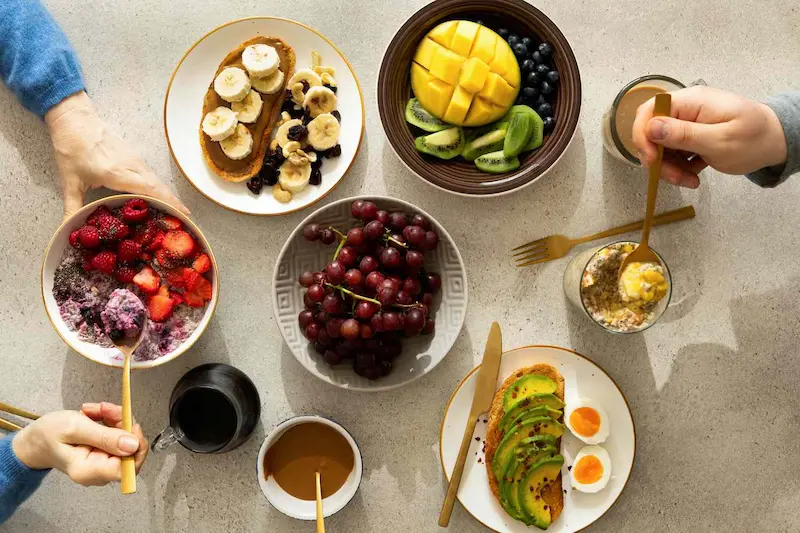
Many beginners fail because they try to follow strict rules. But real progress comes from balance, not restriction. That’s the core idea behind all healthy eating tips for beginners.
1. Start Slowly Instead of Changing Everything at Once
One of the biggest mistakes beginners make is trying to transform their entire diet overnight. This usually leads to frustration and quitting.
Instead, focus on small, realistic changes like:
- Adding one fruit to your daily routine
- Including vegetables in at least one meal a day
- Replacing soda with water once per day
- Reducing fast food from 4 times a week to 2 times
These small steps might seem simple, but they build strong long-term habits. Over time, these changes naturally lead to a healthier lifestyle without stress.
2. Learn How to Build a Balanced Plate
A balanced meal is one of the most important healthy eating tips for beginners, and it’s easier than it sounds.
Think of your plate like this:
- Half of your plate: vegetables and fruits
- One quarter: protein (chicken, eggs, fish, beans, lentils)
- One quarter: carbohydrates (rice, roti, bread, pasta, oats)
- Small portion: healthy fats (olive oil, nuts, seeds, avocado)
This simple structure ensures your body gets energy, vitamins, and nutrients without overthinking calories or diets.
3. Stay Hydrated Throughout the Day
Water plays a huge role in your health, but many people don’t drink enough of it.
Sometimes, when you feel hungry, your body is actually just thirsty.
Try these simple hydration habits:
- Drink a glass of water first thing in the morning
- Keep a water bottle with you all day
- Drink water before meals
- Limit sugary drinks like soda and packaged juices
Even mild dehydration can make you feel tired, slow, and hungry. Drinking enough water improves digestion, focus, and energy levels.
4. Don’t Skip Meals (It Backfires More Than You Think)
Skipping meals might seem like a way to eat less, but it often leads to the opposite effect.
When you skip meals:
- You get very hungry later
- You may overeat or crave junk food
- Your energy levels drop
- Your metabolism slows down temporarily
A better approach is:
- Eat breakfast within a few hours of waking up
- Have lunch and dinner at regular times
- Include small snacks if needed (like fruits, yogurt, or nuts)
This keeps your energy stable throughout the day.
5. Practice Portion Control Without Feeling Restricted
You don’t always have to stop eating your favorite foods—you just need to manage how much you eat.
Easy portion control tricks:
- Use smaller plates and bowls
- Serve food once instead of going back for seconds
- Eat slowly and chew properly
- Stop when you feel comfortably full, not stuffed
Many beginners don’t realize that portion size plays a bigger role than food type. Even healthy food can become unhealthy if eaten in excess.
6. Choose Whole Foods More Often
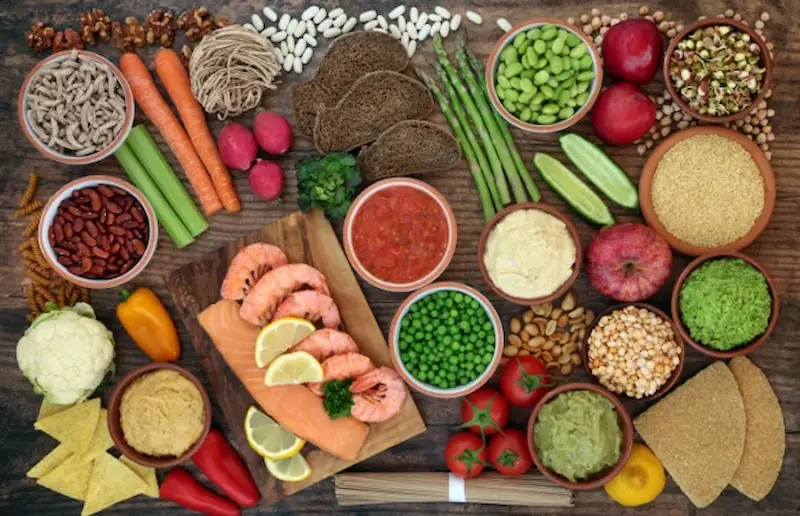
Whole foods are foods that are closer to their natural form and less processed.
Examples include:
- Fresh fruits and vegetables
- Eggs, chicken, fish
- Lentils, beans, oats
- Nuts and seeds
Try to reduce:
- Packaged snacks
- Instant noodles
- Sugary cereals
- Deep-fried fast food
You don’t need to eliminate processed food completely, but the more whole foods you include, the better your nutrition becomes.
7. Learn to Read Food Labels (Basic Understanding is Enough)
You don’t need to be a nutrition expert, but learning the basics helps a lot.
When checking labels, look for:
- Added sugar (too much is not good)
- Sodium/salt levels
- Serving size (very important!)
- Ingredients list (shorter and simpler is usually better)
This habit helps you make smarter choices when buying packaged foods.
8. Plan Your Meals in a Simple Way
Meal planning doesn’t have to be complicated or time-consuming.
You can start with:
- Deciding what you’ll eat tomorrow
- Keeping healthy snacks at home
- Cooking extra food for leftovers
- Preparing simple ingredients like boiled eggs or cut vegetables
When you plan ahead, you avoid last-minute unhealthy choices like fast food or junk snacks.
You may also like to read this:
10 Easy Dinner Recipes For Beginners To Cook at Home
Quick Homemade Recipes For Breakfast, Lunch, and Dinner
Easy Simple Family Meal Ideas Everyone Will Love at Home
Best Comfort Food Recipes You Can Make At Home Quickly
Easy Chicken Recipes For Dinner | Quick & Tasty Meal Ideas
One Pot Meal Recipes For Easy, Quick & Delicious Cooking
9. Control Sugar and Junk Food Gradually
You don’t need to quit sugar completely, but reducing it helps your health a lot.
Try:
- Replacing sugary drinks with water or herbal tea
- Eating desserts a few times a week instead of daily
- Choosing fruit when you crave something sweet
The key is balance, not restriction. Cutting everything suddenly often leads to cravings and binge eating.
10. Listen to Your Body
One of the most overlooked healthy eating tips for beginners is simply paying attention to your body.
Ask yourself:
- Am I actually hungry or just bored?
- Do I feel full or still eating out of habit?
- How do I feel after eating certain foods?
Your body gives signals—you just need to notice them.
Final Thoughts
Healthy eating doesn’t need to be difficult, expensive, or stressful. The best healthy eating tips for beginners are the ones you can actually follow in real life without quitting after a few days.
Start small. Stay consistent. Don’t aim for perfection—aim for progress.
If you make even a few better choices every day, you’ll slowly build a healthier lifestyle that feels natural, not forced.
FAQs – Healthy Eating Tips for Beginners
1. What are the easiest healthy eating tips for beginners to start with?
The easiest way to start is by making small changes like drinking more water, adding fruits to your meals, and reducing fast food gradually. You don’t need a strict diet—just start with simple, realistic habits.
2. Do I need to follow a strict diet to eat healthy?
No, you don’t need a strict diet. Healthy eating is about balance, not restriction. You can still enjoy your favorite foods while focusing on whole, nutritious meals most of the time.
3. How can I stop eating junk food completely?
Instead of stopping suddenly, try reducing it slowly. Replace junk food with healthier snacks like fruits, nuts, or yogurt. Over time, your cravings will naturally decrease.
4. How many meals should I eat in a day?
Most beginners do well with 3 main meals (breakfast, lunch, dinner) and 1–2 small snacks if needed. The key is to eat regularly and avoid skipping meals.
5. Is it okay to eat snacks while trying to eat healthy?
Yes, snacking is completely fine if you choose healthy options like fruits, nuts, seeds, or boiled eggs. The problem is not snacks—it’s unhealthy snack choices and overeating.