
If you’re new to cooking, understanding different oils can feel confusing. This Cooking Oils Guide for Beginners will help you learn the basics of cooking oils, their uses, health benefits, smoke points, and how to choose the right one for your meals. Whether you’re frying vegetables, baking a cake, or making a fresh salad dressing, the oil you use can affect both flavor and nutrition.
The good news is that you don’t need to be an expert chef to pick the right cooking oil. Once you understand a few simple concepts, you’ll be able to cook with confidence and make healthier choices in the kitchen.
What Are Cooking Oils?
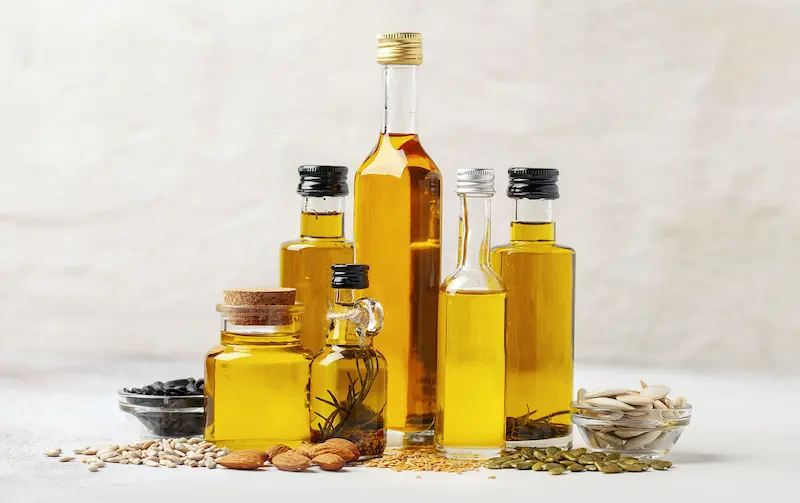
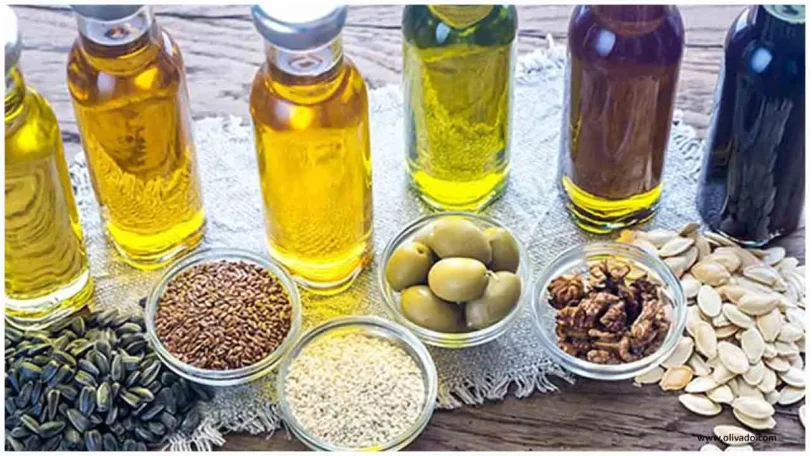
Cooking oils are fats extracted from plants, seeds, nuts, or fruits. They are commonly used for frying, sautéing, roasting, baking, and dressing salads.
Besides adding flavor and texture, cooking oils help:
- Prevent food from sticking
- Enhance taste
- Carry fat-soluble vitamins
- Provide essential fatty acids
- Improve cooking performance
Why Choosing the Right Oil Matters
Not all oils are the same. Each type has a unique flavor, nutritional profile, and smoke point.
Using the wrong oil can:
- Change the taste of food
- Reduce nutritional value
- Cause oil to burn quickly
- Create unpleasant flavors
Choosing the right oil helps you prepare healthier and more delicious meals.
Understanding Smoke Point
One of the most important concepts in this Cooking Oils Guide for Beginners is the smoke point.
The smoke point is the temperature at which oil begins to smoke and break down.
When oil exceeds its smoke point:
- Nutrients can be destroyed
- Flavor may become bitter
- Harmful compounds may form
Low Smoke Point Oils
Best for:
- Salad dressings
- Dips
- Low-heat cooking
Examples:
- Extra virgin olive oil
- Flaxseed oil
Medium Smoke Point Oils
Best for:
- Sautéing
- Light frying
Examples:
- Coconut oil
- Sesame oil
High Smoke Point Oils
Best for:
- Deep frying
- Stir-frying
- High-temperature roasting
Examples:
- Avocado oil
- Peanut oil
- Canola oil
Types of Cooking Oils Explained
1. Olive Oil
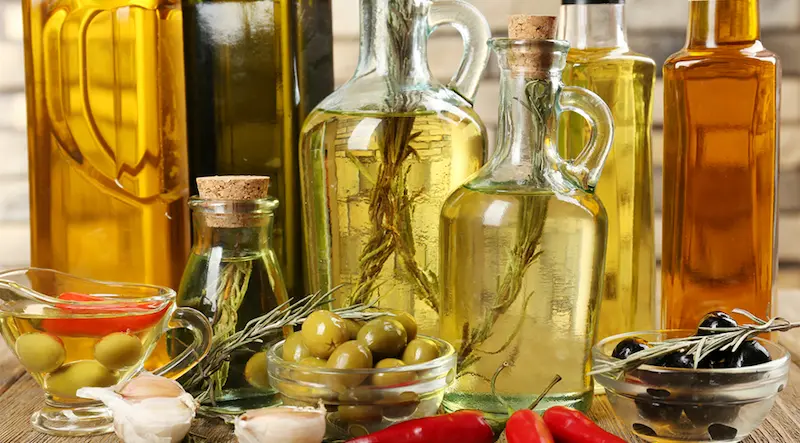
Olive oil is one of the most popular and healthy cooking oils.
Benefits
- Rich in healthy monounsaturated fats
- Contains antioxidants
- Supports heart health
Best Uses
- Salad dressings
- Roasted vegetables
- Light sautéing
- Dipping bread
Flavor
Mild to fruity depending on the variety.
2. Extra Virgin Olive Oil
Extra virgin olive oil is the least processed form of olive oil.
Benefits
- High in antioxidants
- Rich flavor
- Nutrient-dense
Best Uses
- Salad dressings
- Drizzling over cooked foods
- Marinades
Flavor
Strong, fresh, and slightly peppery.
3. Avocado Oil
Avocado oil has become increasingly popular due to its high smoke point.
Benefits
- Rich in healthy fats
- Contains vitamin E
- Heat stable
Best Uses
- Grilling
- Frying
- Roasting
- Searing meat
Flavor
Mild and buttery.
4. Canola Oil
Canola oil is a neutral-flavored oil commonly used in everyday cooking.
Benefits
- Affordable
- Low in saturated fat
- Versatile
Best Uses
- Baking
- Frying
- Sautéing
Flavor
Very mild.
5. Coconut Oil
Coconut oil contains saturated fats and offers a unique taste.
Benefits
- Long shelf life
- Pleasant aroma
- Good for baking
Best Uses
- Baking
- Medium-heat cooking
- Certain desserts
Flavor
Sweet and tropical.
6. Sunflower Oil
Sunflower oil is extracted from sunflower seeds.
Benefits
- High smoke point
- Light taste
- Contains vitamin E
Best Uses
- Frying
- Roasting
- Everyday cooking
Flavor
Neutral.
7. Peanut Oil
Peanut oil is commonly used in Asian cooking and deep frying.
Benefits
- High smoke point
- Stable at high temperatures
Best Uses
- Deep frying
- Stir-frying
- Asian recipes
Flavor
Slightly nutty.
8. Sesame Oil
Sesame oil is often used for flavor rather than large-scale cooking.
Benefits
- Rich aroma
- Adds depth to dishes
Best Uses
- Asian cuisine
- Sauces
- Marinades
Flavor
Nutty and rich.
You may also like to read this:
Best High Protein Healthy Meals For Muscle Gain and Fat Loss
Healthy Breakfast Ideas For Weight Loss and Energy Boost
Clean Eating Food List: Best Foods For A Healthy Lifestyle
Healthy Snacks For Busy People: Quick & Nutritious Ideas
Different Types of Pasta Explained and How To Use Them
Healthy vs Unhealthy Fats
Understanding fats is essential for beginners.
Healthy Fats
These may support heart health:
- Monounsaturated fats
- Polyunsaturated fats
- Omega-3 fatty acids
Found in:
- Olive oil
- Avocado oil
- Flaxseed oil
Saturated Fats
Consume in moderation.
Found in:
- Coconut oil
- Palm oil
- Butter
Trans Fats
These should be avoided whenever possible.
Found in:
- Some highly processed foods
- Certain hydrogenated oils
Best Cooking Oils for Different Methods
Best Oil for Frying
- Avocado oil
- Peanut oil
- Canola oil
- Sunflower oil
Best Oil for Baking
- Canola oil
- Coconut oil
- Light olive oil
Best Oil for Salad Dressings
- Extra virgin olive oil
- Avocado oil
- Flaxseed oil
Best Oil for Roasting Vegetables
- Avocado oil
- Olive oil
- Sunflower oil
Best Oil for Stir-Frying
- Peanut oil
- Avocado oil
- Canola oil
How to Store Cooking Oils
Proper storage helps oils stay fresh longer.
Store Oils In:
- Cool places
- Dark cabinets
- Tightly sealed containers
Avoid:
- Direct sunlight
- Heat sources
- Leaving bottles open
Most cooking oils stay fresh for 6 to 24 months depending on the type.
Common Mistakes Beginners Make
Using High Heat with Low Smoke Point Oils
This can burn the oil and affect flavor.
Reusing Oil Too Many Times
Repeated heating may reduce quality.
Buying Large Quantities
Oil can go rancid before it’s used.
Ignoring Labels
Always check ingredients and expiration dates.
Tips for Choosing the Right Cooking Oil
- Match the oil to your cooking method.
- Consider the flavor you want.
- Check the smoke point.
- Choose minimally processed oils when possible.
- Store oils properly.
- Keep multiple oils for different purposes.
Beginner’s Cooking Oil Starter Kit
If you’re just starting out, these three oils can cover most cooking needs:
Extra Virgin Olive Oil
For salads, dressings, and finishing dishes.
Avocado Oil
For high-heat cooking and roasting.
Canola Oil
For everyday cooking and baking.
This combination provides versatility, flavor, and convenience.
Final Thoughts
This Cooking Oils Guide for Beginners shows that choosing the right cooking oil doesn’t have to be complicated. By understanding smoke points, healthy fats, and the best uses for each oil, you can improve both the flavor and nutrition of your meals.
Start with a few versatile oils like olive oil, avocado oil, and canola oil, and gradually explore other options as your cooking skills grow. The right oil can make a noticeable difference in every dish you prepare.
FAQs
1. What is the healthiest cooking oil for beginners?
Olive oil and avocado oil are often considered among the healthiest cooking oils because they contain heart-friendly monounsaturated fats and beneficial antioxidants.
2. Which cooking oil is best for frying?
Avocado oil, peanut oil, sunflower oil, and canola oil are excellent choices for frying because they have high smoke points and remain stable at high temperatures.
3. What does smoke point mean in cooking oils?
The smoke point is the temperature at which an oil starts to smoke and break down. Choosing an oil with the right smoke point helps maintain flavor, nutrition, and cooking performance.
4. Can I use olive oil for frying?
Yes, olive oil can be used for light frying and sautéing. However, for deep frying or very high-heat cooking, oils with higher smoke points, such as avocado oil or peanut oil, are often better options.
5. Which cooking oil is best for baking?
Canola oil, coconut oil, and light olive oil are popular choices for baking because they provide moisture and work well in many recipes.