
If you’re searching for a complete Food storage tips and guide, you’re probably tired of food going bad too quickly, wasting groceries, or dealing with a messy kitchen. This Food storage tips and guide will walk you through everything in detail—step by step—so you can store food properly, keep it fresh longer, and stay organized without stress.
Think of this as your everyday kitchen companion, not a boring rulebook.
Why Proper Food Storage Really Matters
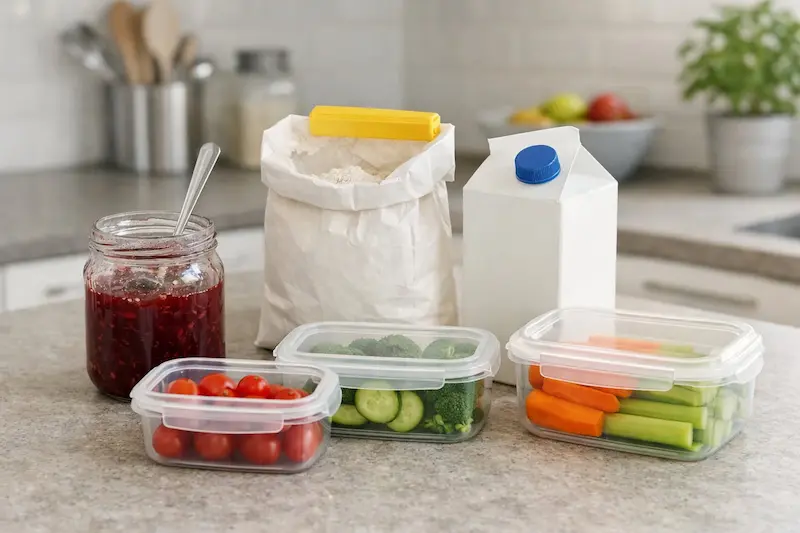
Food storage is not just about keeping things in the fridge or cupboard. It directly affects:
- How long your food stays fresh
- The taste and quality of your meals
- Your grocery budget
- Your family’s health and safety
- How organized your kitchen feels
When food is stored correctly, you reduce waste and make cooking much easier because everything is fresh and ready to use.
1. Understanding the Basics of Food Storage
Before going into categories, let’s understand the golden rules:
Temperature Control
- Cold slows down bacteria growth
- Heat speeds up spoilage
- Room temperature is only safe for certain dry foods
Moisture Control
- Moisture = mold and bacteria growth
- Dry storage is essential for grains and snacks
Air Exposure
- Air causes oxidation (food goes stale or spoils)
- Airtight containers help extend shelf life
These three factors—temperature, moisture, and air—decide how long your food lasts.
2. Pantry Storage (Dry Goods)
Your pantry is for foods that don’t need refrigeration.
What belongs here:
- Rice, flour, lentils, beans
- Pasta and noodles
- Sugar, salt, spices
- Cereals and snacks
Best storage practices:
Use airtight containers
Instead of keeping food in original packets, transfer them into sealed containers. This prevents:
- Insects
- Moisture damage
- Odors mixing
Keep a cool, dark place
Heat and sunlight can ruin dry foods. Always store them in a cupboard away from the stove.
Label everything
Write:
- Item name
- Purchase date
This helps you use older items first.
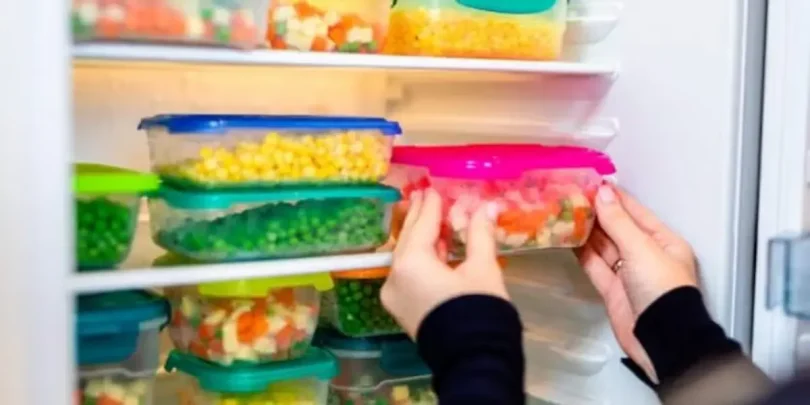
3. Refrigerator Storage Guide
Your fridge is not a single temperature box—it has different zones.
Upper shelves:
- Ready-to-eat food
- Leftovers
- Drinks
Middle shelves:
- Dairy products like milk, yogurt, cheese
Lower shelf:
- Raw meat, chicken, fish (always sealed properly)
Crisper drawers:
- Fruits (one drawer)
- Vegetables (another drawer)
Important fridge rules:
Don’t mix raw and cooked food
Raw meat can leak bacteria onto cooked food.
Keep food covered
Always use containers or wrap food properly.
Don’t overload the fridge
Air needs to circulate to keep everything evenly cold.
4. Freezer Storage (Long-Term Saving Method)
Freezing is one of the best ways to store food for weeks or months.
What you can freeze:
- Meat, chicken, fish
- Bread and buns
- Vegetables (blanched)
- Cooked meals and leftovers\
Smart freezing tips:
Portion your food
Freeze in small servings so you only defrost what you need.
Remove air
Air causes freezer burn and ruins taste.
Label clearly
Always write:
- Item name
- Freezing date
Don’t freeze too long
Even frozen food has a best quality period.
5. Fruits and Vegetables Storage (Very Important Section)
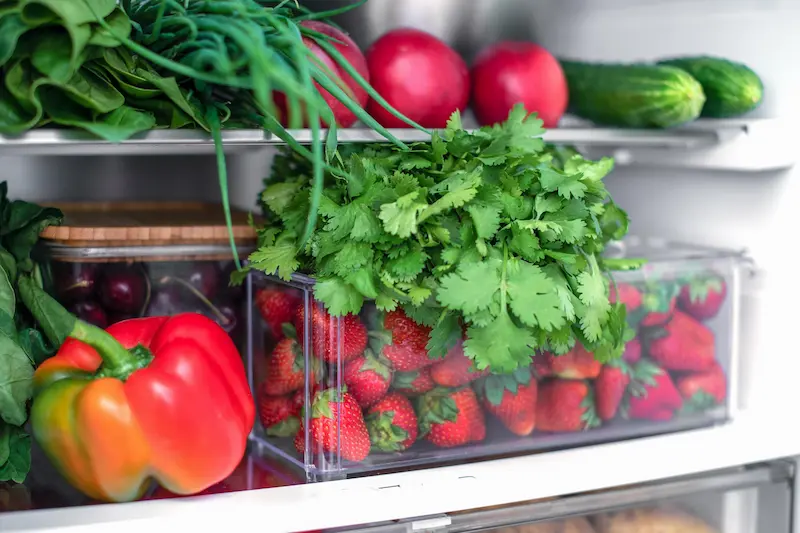
Fruits and vegetables spoil quickly if stored incorrectly.
Fruits:
Store in fridge:
- Apples
- Grapes
- Berries
- Oranges
Store outside fridge:
- Bananas
- Mangoes (until ripe)
- Pineapple (whole)
Vegetables:
Refrigerate:
- Spinach
- Carrots
- Broccoli
- Cauliflower
Room temperature:
- Potatoes
- Onions
- Garlic
Important tip:
Do NOT wash fruits and vegetables before storing. Moisture leads to faster spoilage.
6. Understanding Expiry Labels
Many people waste food because of confusion about labels.
“Best before”
- Food is still safe after this date
- Quality may slightly decrease
“Use by”
- Safety limit
- Do NOT consume after this date
“Sell by”
- Store guide only
- Not meant for consumers
Always also check:
- Smell
- Texture
- Color
You may also like to read this:
Clean Eating Food List: Best Foods For A Healthy Lifestyle
Healthy Snacks For Busy People: Quick & Nutritious Ideas
Different Types of Pasta Explained and How To Use Them
Cooking Oils Guide For Beginners: Best Oils For Every Meal
Complete Herbs and Spices Guide | How To Use in Cooking
7. Leftover Food Storage
Leftovers can be safe and delicious if handled properly.
Rules for storing leftovers:
- Cool food within 2 hours of cooking
- Store in shallow containers
- Refrigerate immediately
- Eat within 2–3 days
Reheating tip:
Only reheat the portion you need. Reheating multiple times reduces quality and safety.
8. Kitchen Organization System
A well-organized kitchen saves time and reduces waste.
Use FIFO method (First In, First Out)
- Older items in front
- New items in the back
This ensures nothing gets forgotten.
Group similar items:
- Baking ingredients together
- Snacks in one section
- Breakfast items in one place
9. Smart Storage Containers
Choosing the right container makes a big difference.
Best options:
- Glass containers (best for leftovers and fridge use)
- BPA-free plastic containers
- Mason jars for dry goods
Avoid:
- Loose packaging
- Torn bags
- Open containers
10. Common Food Storage Mistakes to Avoid
Many people unknowingly reduce food life by doing these:
- Storing hot food directly in fridge
- Mixing raw and cooked food
- Leaving food uncovered
- Overfilling storage spaces
- Ignoring expiry dates completely
Final Thoughts
This Food storage tips and guide is all about building simple habits that make your kitchen more efficient and your food last longer. You don’t need expensive tools or complicated systems—just consistency and awareness.
Once you start following these tips, you’ll notice:
- Less food waste
- Fresher ingredients
- Easier cooking
- A more organized kitchen
Good food storage is not just about saving food—it’s about saving time, money, and effort every single day.
FAQs – Food Storage Tips and Guide
1. What is the best way to store food at home?
The best way is to use proper containers, control temperature (fridge, freezer, or pantry), and separate raw and cooked foods. Following a simple Food storage tips and guide helps keep everything fresh and safe.
2. How can I make food last longer in the fridge?
To extend freshness:
Store food in airtight containers
Keep the fridge at the right temperature (around 4°C / 40°F)
Avoid overloading shelves
Store raw meat separately from cooked food
3. Is it safe to eat leftover food after 3 days?
Generally, leftovers are safe for 2–3 days if properly refrigerated. After that, the risk of bacterial growth increases, so it’s better to discard them.
4. Should fruits and vegetables be washed before storing?
No, it’s better not to wash them before storage. Moisture can cause mold and faster spoilage. Wash them just before eating or cooking.
5. What foods should never go in the fridge?
Some foods are better outside the fridge:
Potatoes
Onions
Garlic
Bananas (before ripening)
Tomatoes (for better flavor at room temperature)